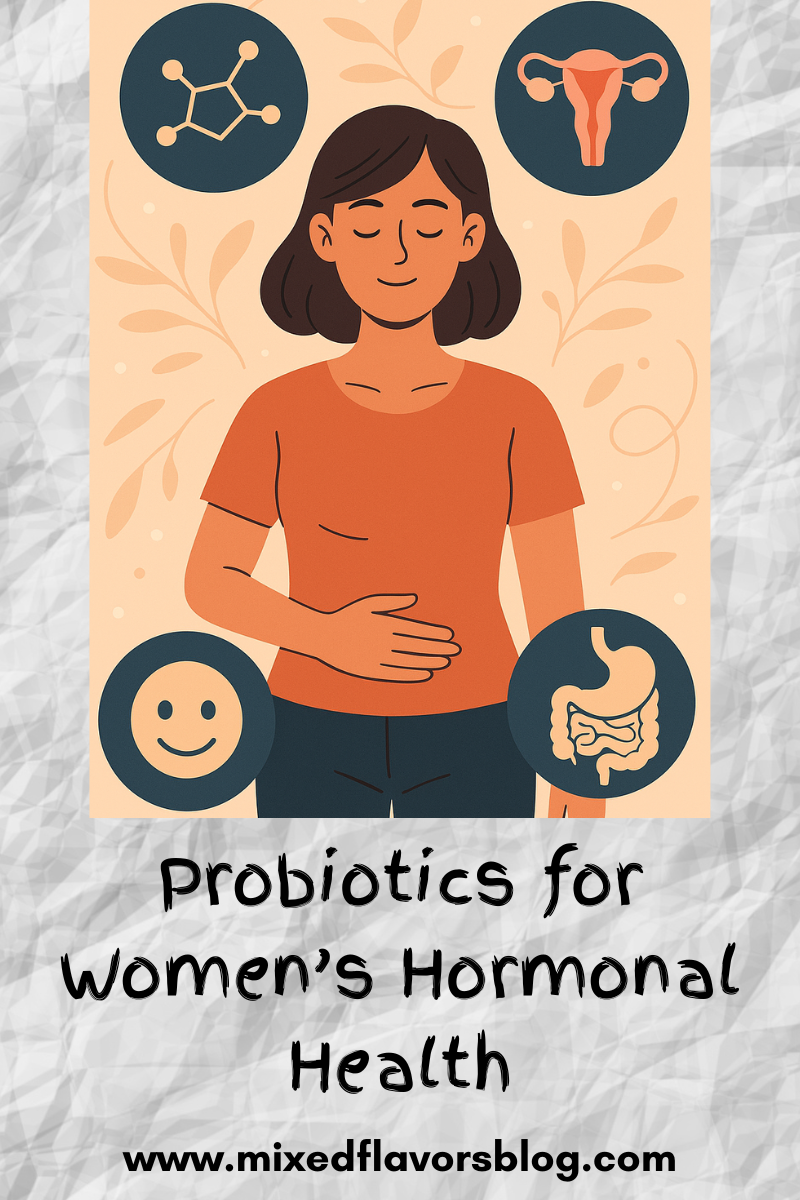
Hormonal wellness is a cornerstone of women’s health, yet it often feels elusive. Many women struggle with mood swings, irregular cycles, and digestive discomfort—symptoms that can stem from hormone imbalances. Enter probiotics: powerful allies that harmonize the gut microbiome and bring much-needed relief. In this post, we explore how probiotics support women hormonal health, why they matter, and how to incorporate them into your daily routine. Think of this as your roadmap to better balance and well-being.
Why does gut health matter for hormones?
The gut & hormone connection
Think of your gut as a control centre, influencing everything from immunity to mood. It also plays a vital role in hormone regulation. A healthy microbiome produces beneficial metabolites like short-chain fatty acids, which are crucial for hormone synthesis and balance. Conversely, an imbalanced gut can contribute to estrogen dominance, insulin resistance, PCOS symptoms, and PMS-related mood swings.
Probiotics for women hormonal health: The balancing act
Probiotics are beneficial bacteria that help restore and maintain gut diversity. Research indicates that specific probiotic strains can regulate insulin sensitivity and hormone levels—particularly in conditions like PCOS—by modulating gut flora and reducing inflammation. When the gut is functioning optimally, hormone production and regulation enjoy a smoother ride.
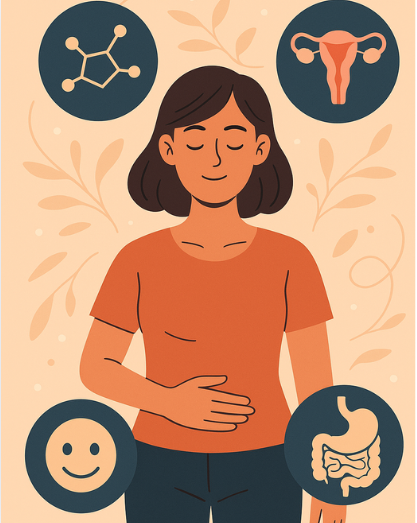
The benefits of probiotics for women hormonal health
1. Hormonal equilibrium
Probiotics aid in the metabolism and detoxification of estrogen via the enterohepatic circulation, promoting balanced hormone levels. A well-regulated gut prevents excessive estrogen reabsorption, reducing symptoms such as bloating, PMS, and breast tenderness.
DOWNLOAD YOUR PRINTABLE HEALTH TRACKER
2. Better mood & mental health
About 90% of serotonin, the “feel‑good” hormone, is produced in the gut. Probiotics help foster a healthy microbiome, which supports optimal serotonin production—boosting mood, reducing anxiety, and helping with sleep quality.
3. Metabolic support
By improving insulin sensitivity and reducing systemic inflammation, probiotics assist in managing weight and metabolic disorders like PCOS. This leads to steadier energy levels and fewer sugar crashes.
4. Enhanced nutrient absorption
A healthy gut improves digestion of essential nutrients—like magnesium, B vitamins, and amino acids—that are vital for hormone production and energy regulation.
Choosing the RIGHT PROBIOTIC
Not all probiotics are created equal. For hormonal balance, target strains with proven benefits:
- Lactobacillus species: Support estrogen metabolism and fortify vaginal and intestinal health.
- Bifidobacterium strains: Aid digestion, reduce inflammation, and enhance insulin sensitivity.
When shopping for a probiotic, look for:
- Multi-strain supplements containing clinically studied types.
- A CFU count that aligns with research-backed doses (e.g., 10–20 billion CFU).
- Microbiome-targeted formulations validated by trials on women’s health.
READ MORE: Probiotic Health Professional Fact Sheet
How to include probiotics in your routine
Food sources
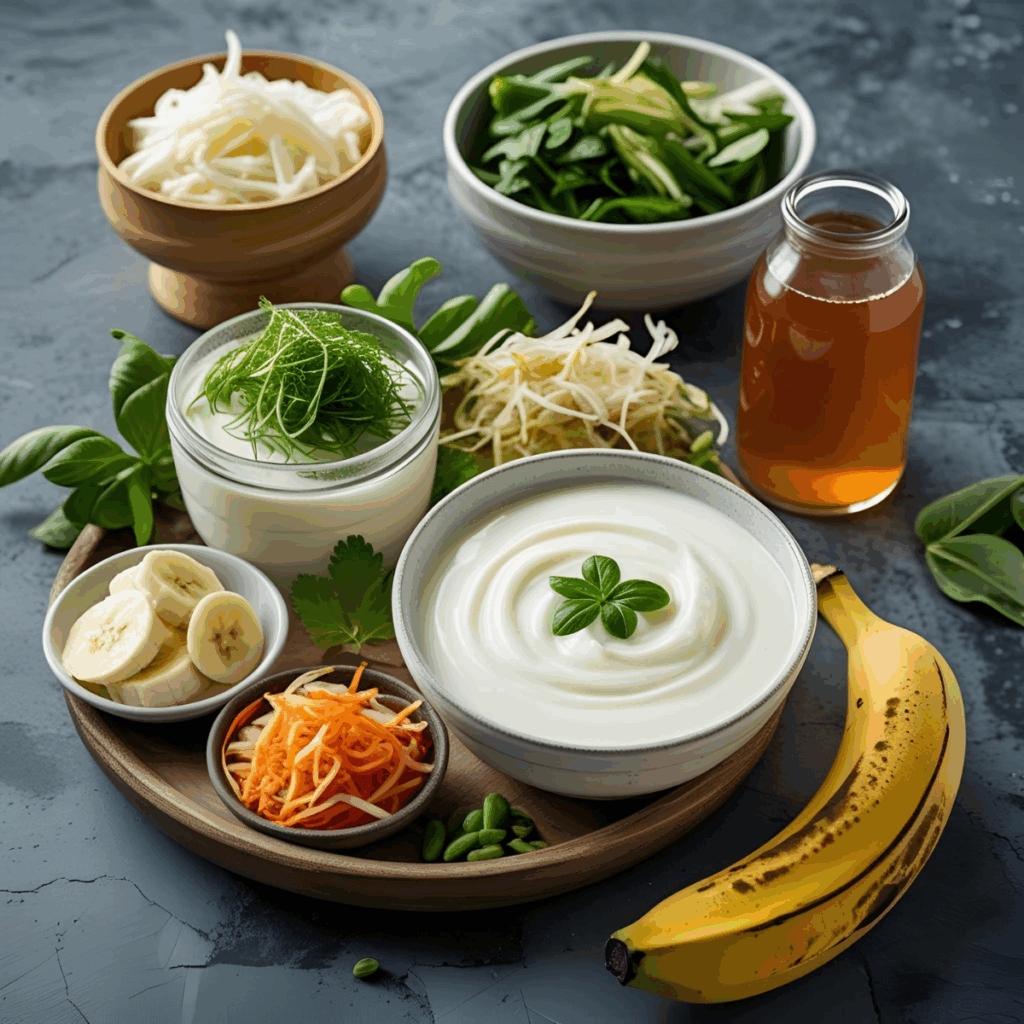
- Fermented dairy & plant foods: yogurt, kefir, kombucha, sauerkraut, kimchi—consumed daily, they help maintain a healthy gut environment.
- Prebiotic-rich foods: garlic, onions, asparagus, bananas, and oats—these feed good bacteria to support probiotic action.
Supplements
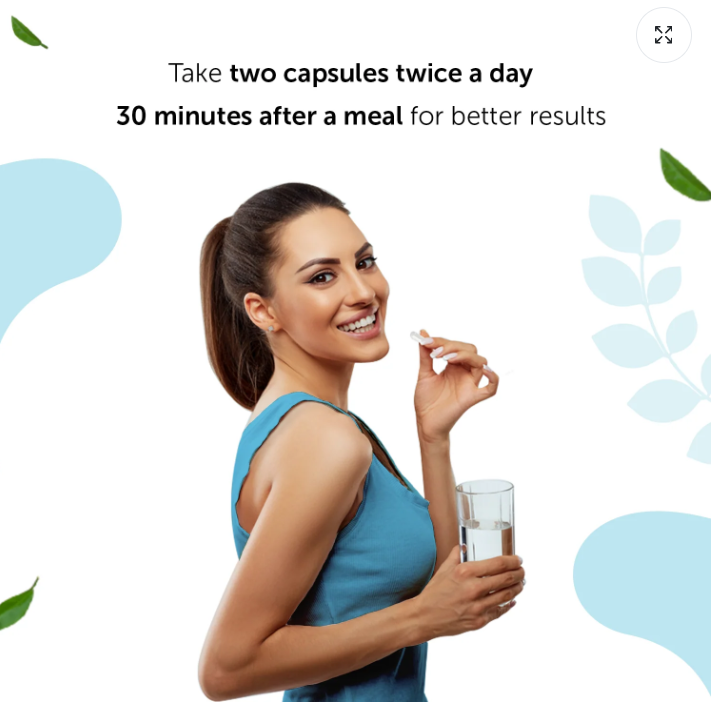
Take a quality probiotic supplement with diverse strains. For optimal effectiveness, pair consumption with food and let it become part of a daily routine.
Buy Your Probiotics Supplements from Neuherbs – The Natural Wellness
Lifestyle strategies
- Fiber-rich diet: Supports both probiotics and overall gut health.
- Hydration & sleep: Critical for microbiome stability and hormone synthesis.
- Stress management: Yoga, meditation, and deep breathing can reduce cortisol, which otherwise disrupts gut flora and hormonal equilibrium.
READ MORE Lifestyle posts on The Mixed Flavors
When to consult a professional
If hormonal symptoms persist—such as irregular cycles, severe cramps, mood instability, weight gain, or suspected PCOS—consider consulting a healthcare provider. They may recommend hormone testing or refer you to a registered dietitian or women’s health specialist to personalize your probiotic plan.

Probiotics vs. Hormone medications
While medications like birth control pills or hormone replacement therapy can address symptoms, they may carry side effects like nausea or mood shifts. Probiotics offer a gentler, more natural strategy. They support the body’s inherent ability to balance hormones rather than overriding them. Ideally, probiotics work in harmony with medical treatments, offering comprehensive, long‑term hormone care.
Monitoring results
Track changes like:
- Menstrual cycle regularity
- Mood stability and stress levels
- Digestion and bloating
- Sleep quality and energy
- Skin changes (some hormone imbalances show up as acne)
Ongoing tracking helps determine whether your current probiotic—and other lifestyle habits—are effective or benefit from adjustments.
Keep a track of your health using a daily and weekly health tracker. Print them, fill them out, and save them to to keep a track of your health.
Conclusion
Probiotics for women hormonal health are more than a trending wellness buzz—they’re a science-backed approach to reclaiming balance and vitality. By regulating estrogen, improving mood, stabilizing metabolism, and enhancing nutrient absorption, these beneficial microbes work at the root of hormone-driven challenges. Start small: incorporate fermented and fiber-rich foods, and consider a targeted supplement. Over time, you may find a renewed sense of harmony, energy, and well‑being from within.
